


NEAR Governance Vote To Scrap Gas Rebates Puts Developer Incentives Under Review is a useful reminder that crypto coverage is not only about token prices. Sometimes the more important story is the infrastructure, regulation, security, or product layer sitting underneath the market noise. The immediate point is straightforward: nEAR governance voted to scrap developer gas…

Uniswap founder Hayden Adams has proposed expanding protocol fees across Uniswap v4 and several network deployments, putting one of DeFi’s longest-running governance debates back at the centre of the market. Protocol fees are a sensitive topic for Uniswap because the exchange is one of DeFi’s most important pieces of infrastructure. It processes huge volumes, sits…
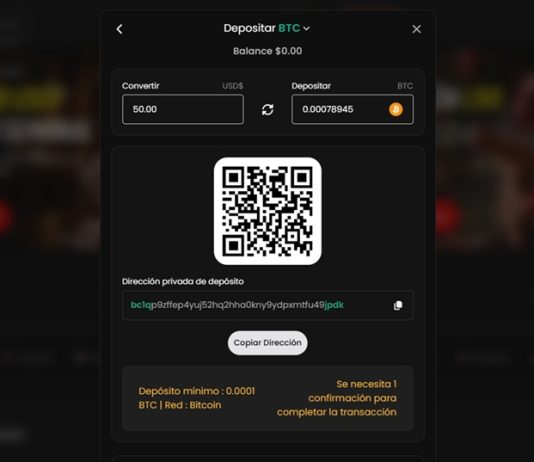
Uniswap governance has activated a protocol fee switch on v4 liquidity pools, pushing protocol revenue higher and directing collected fees toward UNI buy-and-burn mechanics rather than direct distributions to tokenholders. The validated notes point to Uniswap Governance Proposal 100 passing with about 46.6 million votes in favor and roughly 1.27 million opposed. The mechanism collects…

Aave’s V4 discussion is a useful reminder that DeFi’s next cycle will not be won only by bigger yields or louder token narratives. Cost still matters. If users have to think twice before every transaction, the product is not ready for the next wave of adoption. That is why the gas optimization side of Aave’s…
TL;DR A proposal on Ethereum Research suggests redirecting part of staking rewards toward public goods funding. Supporters see sustainable decentralized funding, while critics warn of protocol-level overreach. The proposal is not approved and should be treated as an early governance debate. Staking Economics And Ethereum Governance: Why This Story Matters Ethereum Protocol Debate: Diverting Staking…

When DeFi gets noisy, the conversation usually drifts back to token performance. Aave’s latest V4 proposal is a useful reminder that the more meaningful story often sits under the hood. The protocol is still trying to improve how liquidity moves, how markets connect, and how cross-chain activity is handled. That is the kind of work…

Ethereum Governance Debate Turns To Who Really Controls Voting Power is a useful reminder that crypto coverage is not only about token prices. Sometimes the more important story is the infrastructure, regulation, security, or product layer sitting underneath the market noise. The immediate point is straightforward: ethereum researchers are discussing how voting authority can become…

There is a reason this one is worth separating from the usual market noise. Solana Foundation Launches Validator Governance Framework for On-Chain Voting gives NewsBTC readers a clean angle on Solana at a point where the market is trying to separate durable signals from short-lived noise. According to the source material reviewed for this report,…
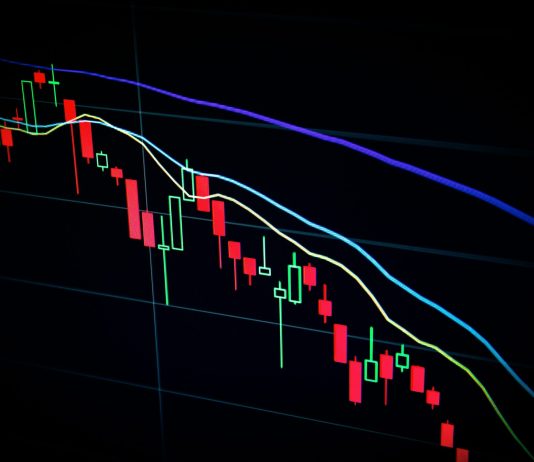
Solana Fee Proposal Shows Validator Economics Are Still Being Rewritten is the kind of crypto story that looks simple at headline level but becomes more useful once you place it inside the wider market backdrop. Solana’s fee market is no longer just a technical footnote; it is central to how the network pays validators, handles…
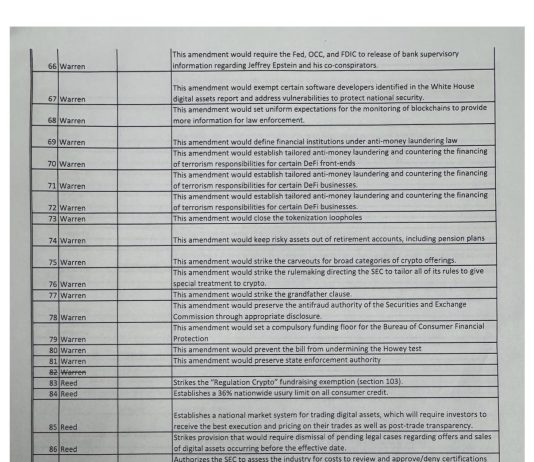
Reference: Aave Governance Aave Picks Chainlink CCIP As Default Standard For Cross-Chain sGHO Aave governance has moved to make Chainlink CCIP the default standard for cross-chain sGHO transfers, reinforcing the role of security-focused infrastructure in DeFi’s next phase. The Aave governance proposal focuses on launching sGHO cross-chain and using Chainlink’s Cross-Chain Interoperability Protocol as the…